gilbert104780
About gilbert104780
Private Plane Flights: The Rise of Luxury Journey in the Skies
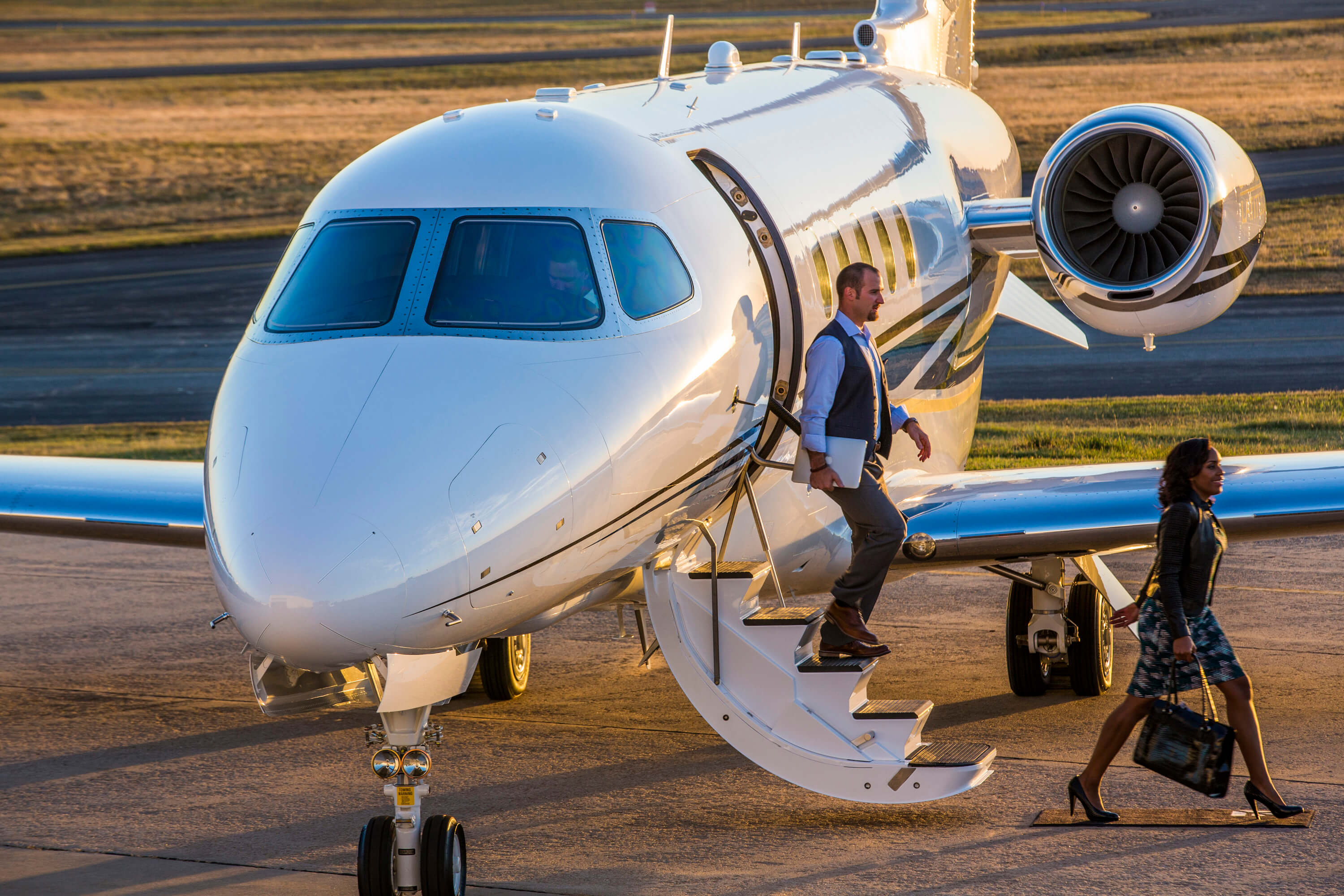
In the past decade, private plane flights have soared in reputation, remodeling the way wealthy people and business leaders travel. Once thought-about a luxurious reserved for the elite, private aviation has grow to be more accessible and interesting, providing a unique blend of consolation, comfort, and privacy that business airways wrestle to match.
The global private aviation market has experienced strong progress, with estimates suggesting that it will reach a worth of over $forty billion by 2025. Factors contributing to this surge embody an increase in high-internet-worth individuals, the rise of the business jet sector, and a rising demand for customized travel experiences. Because the world becomes extra interconnected, the necessity for efficient and versatile journey options has never been larger.
One of many most important drivers behind the rise of private flights is the growing number of billionaires and millionaires worldwide. In line with the 2021 Wealth Report by Knight Frank, the number of extremely-excessive-web-value people (those with assets exceeding $30 million) has elevated by 24% previously five years. This burgeoning class of affluent travelers is seeking methods to optimize their time and travel experiences, and private aviation provides a great resolution.
Private planes present a stage of flexibility that commercial airways can’t. Passengers can choose their departure times, routes, and even the airports they fly into, bypassing the crowded terminals and long safety traces sometimes associated with business flights. For business executives, this means being able to attend a number of conferences in numerous cities within a single day, maximizing productiveness and effectivity.
Furthermore, private aviation companies have adapted to meet the wants of their shoppers, offering a range of companies that improve the flying expertise. Charter companies, fractional possession, and jet cards have all gained traction, permitting travelers to select options that greatest go well with their journey patterns and budgets. Charter companies, specifically, have turn out to be more and more well-liked, enabling individuals to book flights on-demand with out the long-time period dedication of owning an aircraft.
The COVID-19 pandemic has additionally played a pivotal role in reshaping the private aviation panorama. As health and safety issues grew, many travelers turned to private flights as a safer different to commercial airlines. The ability to keep away from crowded airports and reduce publicity to potential health risks made private aviation an attractive choice during the pandemic. Reviews indicate that private jet travel increased by 40% in 2021 in comparison with pre-pandemic ranges, as travelers sought to regain a way of normalcy while prioritizing their security.
In response to the elevated demand, private aviation companies have expanded their fleets and services. Leading operators corresponding to NetJets, Flexjet, and VistaJet have reported vital will increase in flight hours and new buyer acquisitions. Additionally, many companies have carried out enhanced security protocols, including rigorous cleaning procedures and well being screenings, to ensure passenger confidence.
The environmental impression of private aviation has come under scrutiny as well, leading to a growing emphasis on sustainability inside the industry. In recent years, several firms have begun investing in more gasoline-environment friendly aircraft and exploring different fuels to scale back their carbon footprint. The use of sustainable aviation gasoline (SAF) has gained traction, as it might probably considerably decrease greenhouse gas emissions compared to traditional jet fuel. Furthermore, some operators are offering carbon offset programs, permitting passengers to contribute to environmental initiatives that counterbalance their travel emissions.
Despite the benefits, the rise of private aviation has sparked debates about inequality and the environmental implications of luxurious travel. Critics argue that the rising number of private flights contributes to social disparities, because the wealthy continue to enjoy exclusive journey experiences while the majority rely on industrial airways. Additionally, the environmental impact of private jets, which emit significantly extra carbon per passenger in comparison with business flights, raises concerns about the sustainability of the trade.
To address these points, industry leaders are advocating for higher transparency and accountability. Initiatives aimed at promoting sustainable practices and responsible journey are gaining momentum, with many firms committing to reducing their total environmental impact. Additionally, there’s a growing movement to encourage private aviation users to think about the broader implications of their journey selections, fostering a way of responsibility amongst affluent travelers.
Because the marketplace for private plane flights continues to expand, innovations in technology are additionally shaping the way forward for the trade. The appearance of digital platforms and apps has made it easier for travelers to book private flights, compare costs, and access real-time information about accessible aircraft. These advancements are democratizing access to private aviation, permitting a wider audience to expertise the advantages of flying privately, even if only often.
Moreover, advancements in aircraft technology are leading to the event of new, more environment friendly jets that promise to revolutionize the industry. Electric and hybrid aircraft are on the horizon, with several firms working to deliver these improvements to market. As these technologies mature, they hold the potential to reshape the landscape of private aviation, making it extra sustainable and accessible to a broader range of travelers.
In conclusion, private plane flights have turn into a major side of fashionable travel, appealing to a growing demographic of affluent individuals searching for convenience, consolation, and suppleness. While the trade faces challenges associated to social inequality and environmental sustainability, there’s a concerted effort among operators to address these considerations and promote accountable journey. As expertise continues to evolve and the demand for private aviation rises, the future of luxury travel in the skies seems promising, with new alternatives for innovation and growth on the horizon. The allure of private flights is more likely to endure, reshaping the best way we think about air journey for years to return.

No listing found.